Supercharge worksite productivity with Sitemetric AI.
Learn more
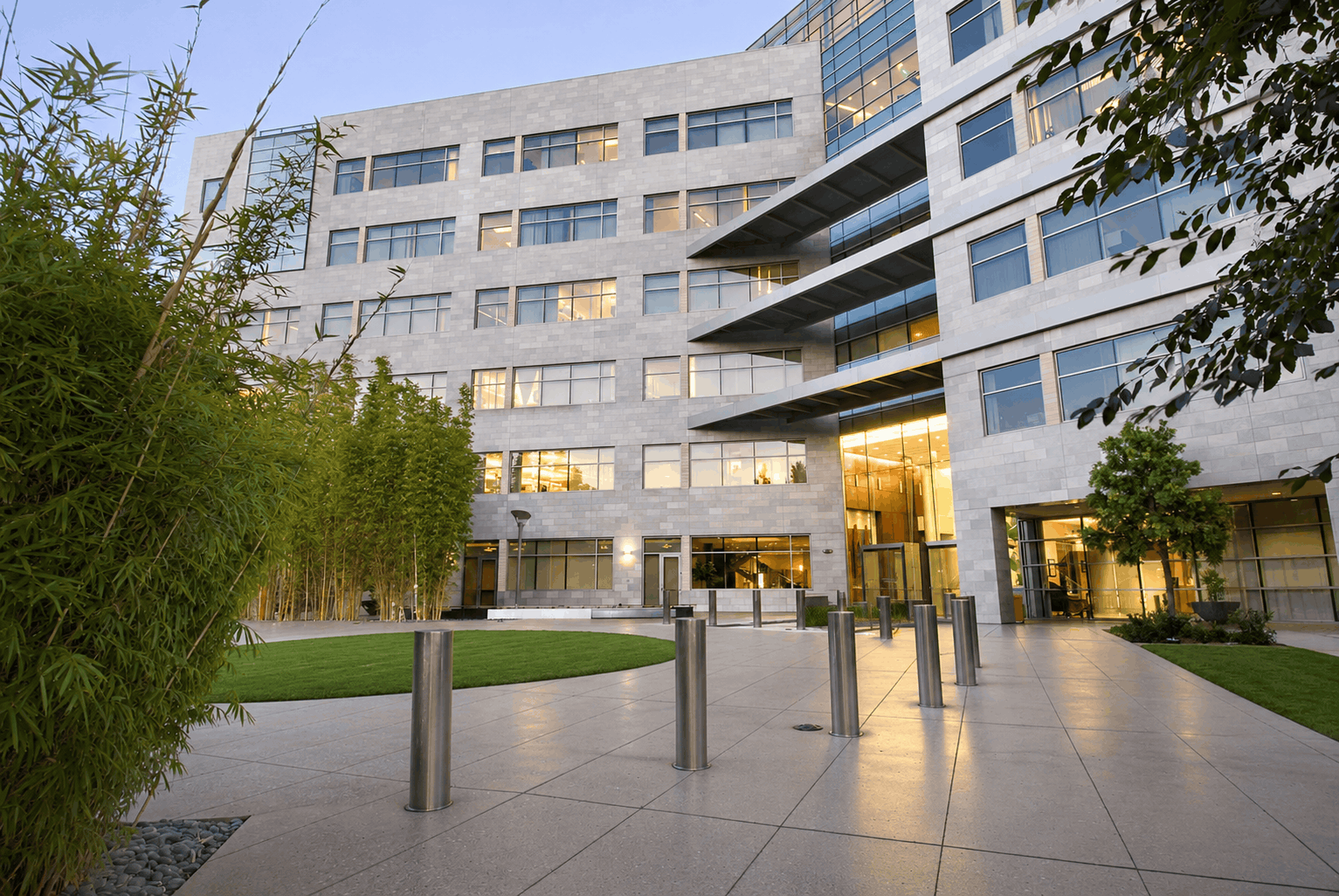
Hospital construction security is the set of controls that protects a construction project on or next to an operating hospital: who can enter the work zone, how workers are credentialed, how the site is monitored and who responds when something goes wrong. It keeps the work zone separate from patients, visitors and staff, and it produces a record of who was in the work area and when.
Hospital construction security applies to new towers built beside operating buildings, additions connected to an existing facility and renovations inside occupied floors. What these projects share is a campus that stays open, so the security plan has to account for people who are not part of the construction workforce.
The main difference from a standard commercial jobsite is who is on the other side of the fence. On a typical project the boundary keeps the public out. On an active hospital campus it also has to keep patients, visitors and clinical staff out of the work area, and keep construction traffic off patient routes, public entrances and ambulance access.
Mission critical construction is work on facilities that have to keep operating while the project goes on, where a failure carries serious consequences. Hospitals fit that description. Patient care continues next to the work zone, emergency access has to stay open and the hospital's infection control and life safety rules apply to construction crews as well.
That raises the standard for security. A gap that would be an inconvenience on an office build, such as an unbadged worker in a corridor or a door left open overnight, can affect patients on a hospital campus.
1. Define the boundary with the hospital. The project stakeholders agree where the construction zone ends, which entrances, corridors and parking areas stay open to the public and which routes construction traffic can use. The boundary typically moves with each phase, so entry points need to move with it.
2. Set the entry requirements. Beyond site orientation, many hospital owners require infection control awareness training and other facility-specific steps before a worker can enter the building. These requirements go on the access list so they can be checked at the gate.
3. Control the entry points. Turnstiles or staffed gates admit credentialed workers and turn away everyone else. Crews tend to arrive early, before the hospital's own morning shift change, so entry points need enough capacity for that peak.
4. Separate interior work areas. Inside the building, barriers and controlled doors limit each work area to the crews assigned to it.
5. Record each entry. Entries and exits are timestamped by worker and company, which gives a live headcount during the day and a record the hospital can review later.
An infection control risk assessment (ICRA) is a pre-construction process that hospitals use to decide what precautions a project needs. The hospital's infection prevention team, facilities staff and the construction team classify the work by activity type and by the patient populations nearby. The result sets requirements such as dust barriers, negative air pressure in the work area and an infection control permit posted at the work zone.
Access control supports ICRA precautions by making them enforceable. A barrier works only if the people passing through it are the ones authorized to, and the permit is easier to uphold when entry to the work area is limited and recorded. When construction affects exits, fire protection or other life safety features, hospitals typically add interim life safety measures (ILSM), which can also change which routes around the work zone stay open.
A construction badge identifies a worker as cleared for the work zone and carries the credentials behind that clearance. On a hospital campus, a visible photo badge lets hospital security and clinical staff tell construction workers apart from visitors at a glance, and training tags on the badge can show that a worker has completed the required infection control training.
Badges also support emergency response. When workers wear their badge each shift, a scan at the muster point confirms who is accounted for. The emergency mustering guide covers how that works.
An AI camera is a camera system that uses computer vision to identify specific activity in its field of view, such as a person, a vehicle or a hazard, rather than only detecting motion. On a hospital campus, cameras typically cover the perimeter, laydown areas and the edges of the work zone where visitors or patients may stray, along with after-hours activity.
Camera placement is usually agreed with the hospital and kept to the construction zone, since patient areas carry their own privacy rules. Alerts are useful only if someone acts on them, so monitored systems route alerts to trained operators who can verify what is happening and reach personnel on site. The remote video monitoring guide covers how alerts are verified and escalated.
Hardware handles routine entries. People handle the rest: visitors who head toward the work zone, deliveries that arrive outside the schedule and after-hours checks of the site. On a hospital campus, construction security also needs to work alongside the hospital's own security team, with agreed responsibilities for who responds to what.
Training matters on a mission critical site. Generalist guards are typically trained for broad coverage across industries. Construction security at a hospital calls for personnel trained on restricted areas, the conditions of an active jobsite and the hospital's own rules. The construction site security guide covers where jobsites are most vulnerable.
These records answer the questions hospital facilities and infection prevention teams tend to ask: who was in the work area on a given day, whether they had completed the required training and whether anyone entered who should not have.
Sitemetric has supported active hospital construction, phased campus expansions and new healthcare facility builds. We combine access control, badging, AI cameras and trained security personnel in one system, so a camera alert or a badge mismatch reaches a trained person on site and the hospital and general contractor work from the same record.
The hospital can't pause for the project. A problem that would only delay an office build, such as an unauthorized person in the work zone or dust escaping a barrier, can reach patients and staff in the operating buildings next door.
ICRA stands for infection control risk assessment, the hospital's assessment of how much infection risk a piece of construction work creates. The higher the risk class, the stricter the precautions, which can include sealed barriers, negative air pressure and tighter limits on who enters the work area.
Often, yes. Many hospital owners require infection control awareness training and facility-specific orientation before a worker enters the building. Adding these requirements to the access list lets the gate confirm them instead of relying on paper sign-offs.
With physical separation and controlled entry working together. Fencing and temporary walls define the zone, turnstiles or staffed gates admit only credentialed workers and signage directs the public to the routes that stay open. Cameras and security personnel cover the edges entry points cannot.
Mainly for identification and accountability. Hospital staff can see right away whether someone in a corridor belongs to the construction crew, and the badge record shows which training each worker completed and who has reached the muster point in an emergency.
Yes. Cameras on hospital projects usually cover the construction perimeter, laydown areas and work zone entrances, especially after hours. Positions are planned with the hospital before installation so they stay out of patient areas.
Hospitals commonly ask who was in the work area on a given day, whether each worker had completed the required training and whether any unauthorized entry occurred. Timestamped site access, denied access and headcount records answer those questions directly.
In most cases, yes. Hospital security typically covers the operating facility, while construction security covers the work zone. Agreeing in advance which team responds to which situations, and how incidents are reported, keeps the two from overlapping.
Talk with our team about your jobsite needs and learn how Sitemetric can help your project succeed.